
Common Misconceptions About Marine Glass and How to Avoid Them
Understanding Marine Glass
Marine glass, often referred to as sea glass, is a unique material that has fascinated collectors and artisans alike. While it may appear simple at first glance, there are several misconceptions surrounding marine glass that can lead to misunderstandings about its origin and value. In this post, we will explore these common misconceptions and provide guidance on how to avoid them.
Misconception 1: All Marine Glass is Naturally Formed
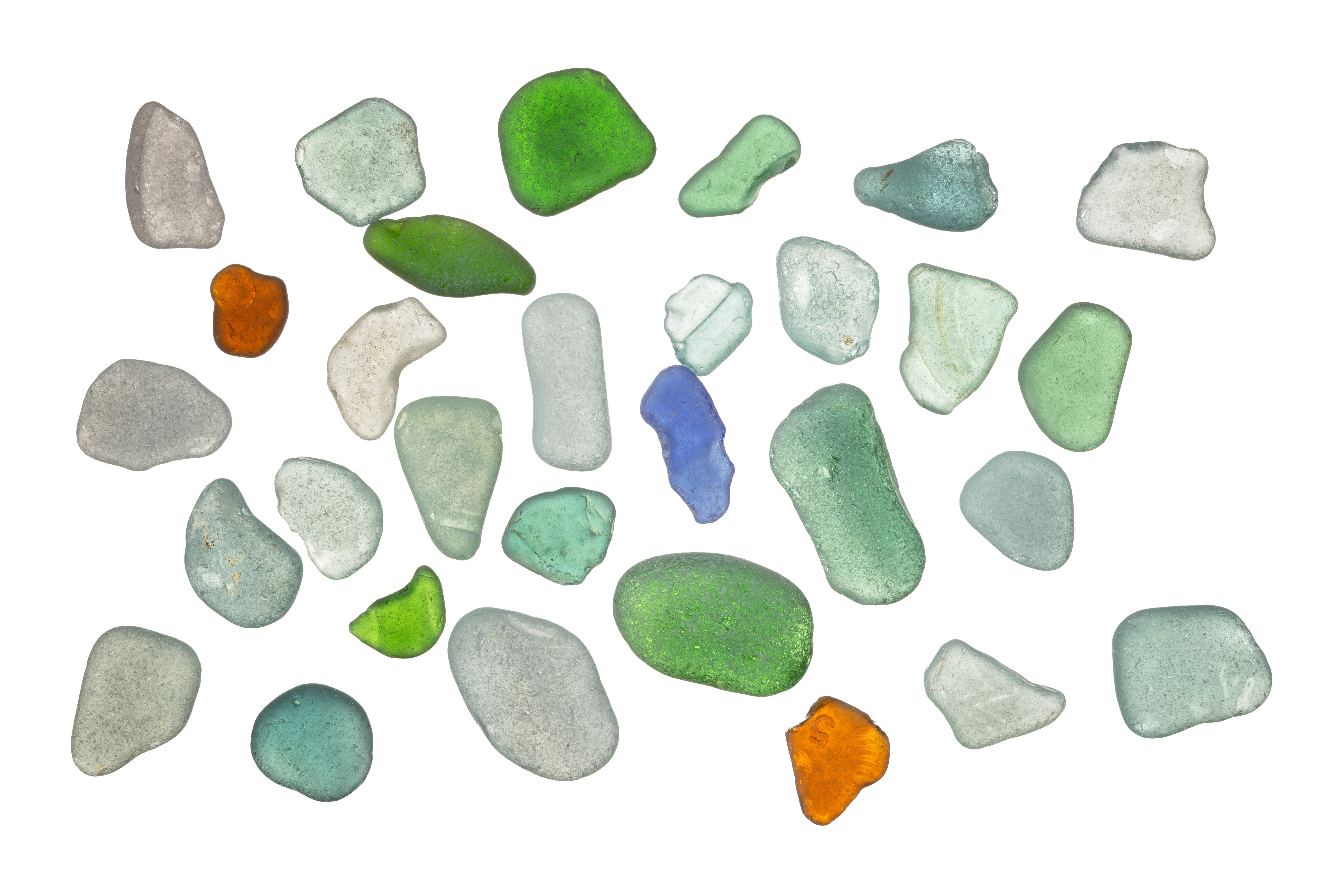
One of the most common misconceptions is that all marine glass is naturally formed by the ocean. While it's true that genuine sea glass is shaped by the waves and sand over time, not all marine glass is created this way. Some pieces are artificially tumbled to mimic the appearance of authentic sea glass. To avoid confusion, look for signs of authenticity, such as smooth edges and frosted surfaces.
Misconception 2: Marine Glass is Just Broken Glass
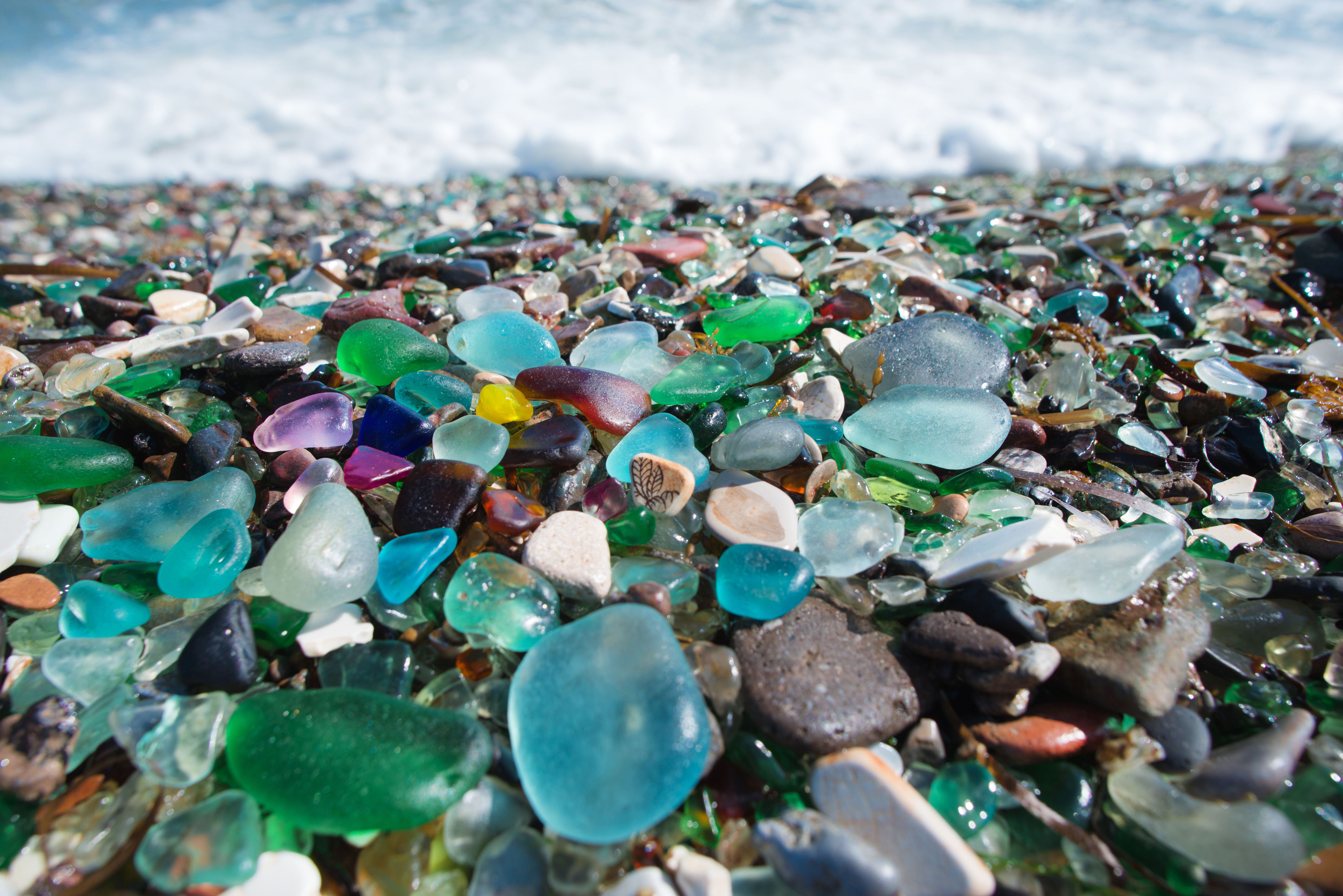
Another misconception is that marine glass is simply broken glass. However, the transformation process is much more intricate. Over time, the ocean's natural elements smooth and polish the glass, giving it a unique texture and appearance. This process can take decades, adding to the allure and value of genuine marine glass.
Misconception 3: All Colors of Marine Glass Are Common
The color of marine glass can vary greatly, but not all colors are equally common. While shades of green, brown, and clear are often found, rare colors like red, blue, and purple are highly sought after by collectors. Understanding the rarity of certain colors can help you appreciate the true value of your finds.
How to Identify Genuine Marine Glass
Identifying genuine marine glass can be challenging, but there are a few key indicators to look for:
- Texture: Authentic sea glass has a smooth, frosted surface due to years of weathering.
- Shape: Natural pieces often have irregular shapes with rounded edges.
- Rarity: Familiarize yourself with common and rare colors to better assess the value of a piece.
Preserving the Beauty of Marine Glass
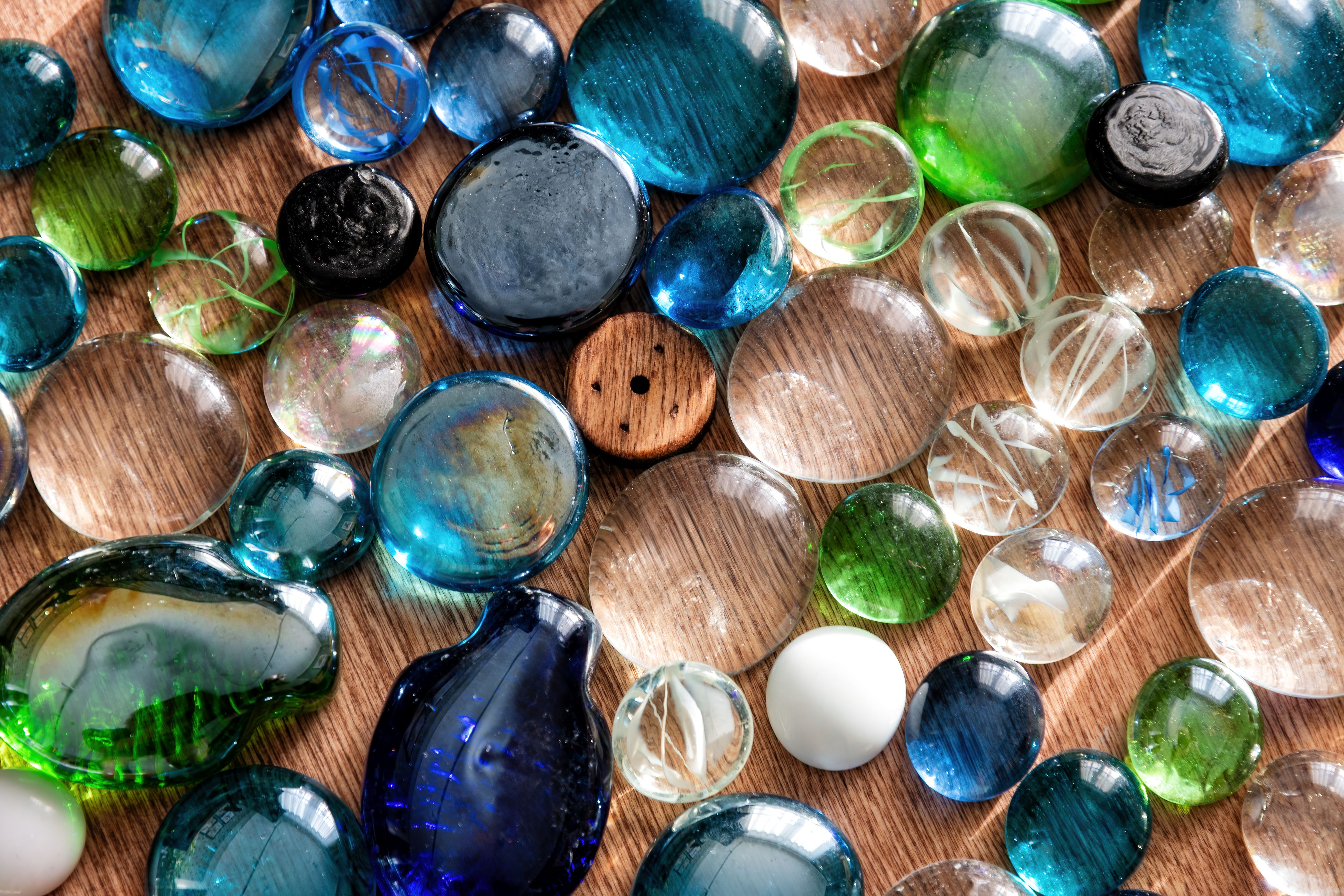
Once you've identified genuine marine glass, it's important to preserve its beauty. Avoid harsh cleaning agents that can damage the surface. Instead, rinse it gently with water and use a soft brush to remove any debris. Displaying marine glass in a way that showcases its unique qualities can also enhance its appeal.
Using Marine Glass in Art and Jewelry
Marine glass is a popular choice for art and jewelry due to its unique appearance and history. When creating pieces, consider the color, shape, and texture to make the most of its natural beauty. Whether used in mosaics, pendants, or other crafts, marine glass adds a distinctive touch that captures the imagination.
By understanding these common misconceptions and learning how to identify and care for genuine marine glass, you can fully appreciate this captivating material. Whether you’re a collector, artist, or simply an admirer, marine glass offers a glimpse into the ocean's timeless beauty.