
Common Misconceptions About Marine Glass: What You Need to Know
Understanding Marine Glass: Separating Fact from Fiction
Marine glass, often referred to as sea glass, has long been a subject of fascination and intrigue. Its smooth, frosted appearance and vibrant colors make it a popular choice for collectors and artists alike. However, there are several common misconceptions about marine glass that can lead to misunderstandings about its origins and value.
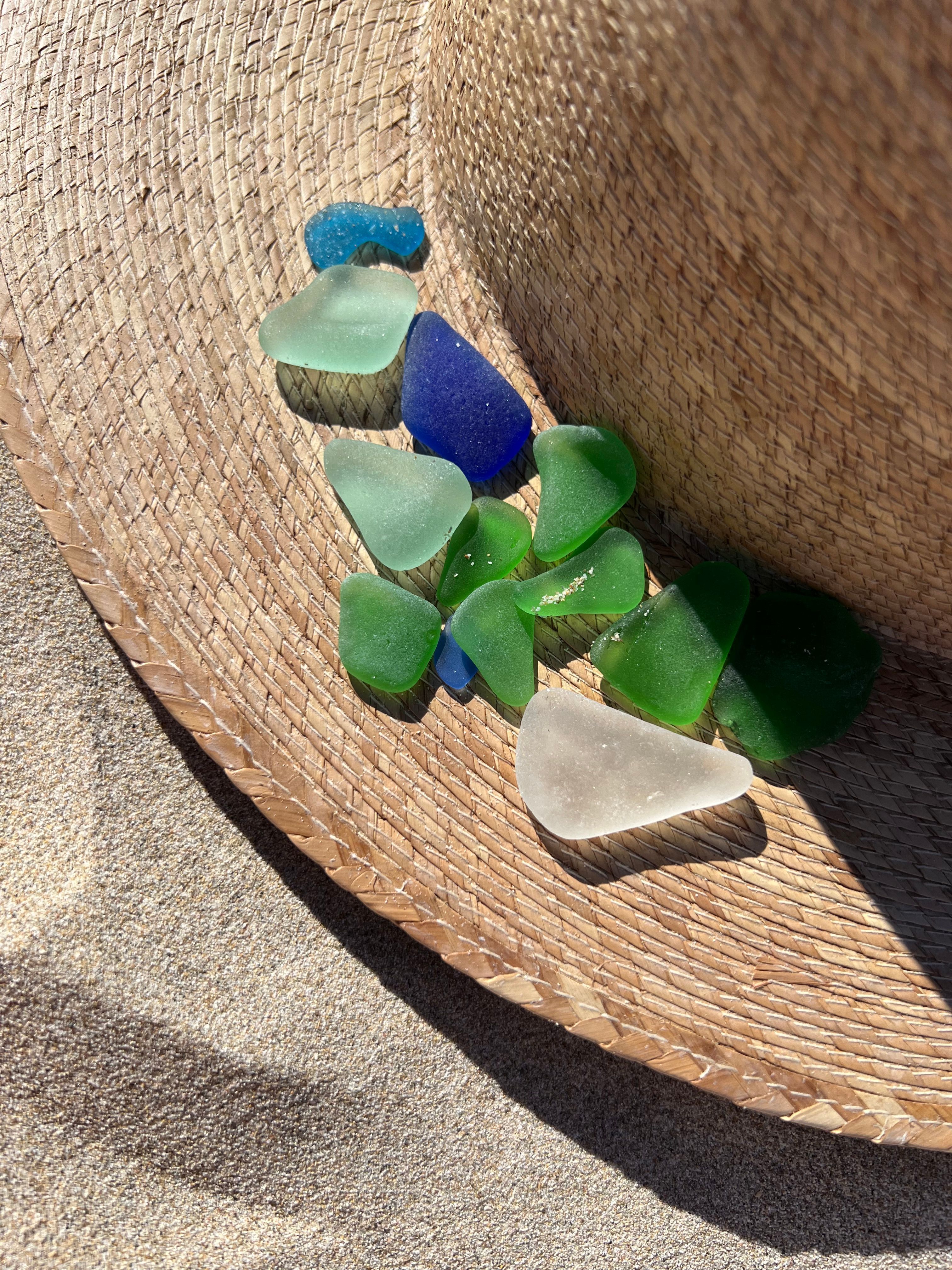
Myth 1: Marine Glass Is Man-Made
One of the most prevalent myths is that marine glass is artificially produced. In reality, marine glass is created when glass items are discarded into the ocean. Over time, the natural elements of the sea, such as waves, sand, and salt, weather the glass, giving it its iconic appearance. This process can take decades, making genuine marine glass a product of nature rather than human craftsmanship.
Myth 2: All Marine Glass Is the Same
Many people believe that all marine glass is identical, but this couldn't be further from the truth. Marine glass comes in a variety of colors and sizes, each with its own story. The most common colors are green, brown, and clear, often originating from bottles and jars. However, rarer colors like blue, red, and purple are highly sought after by collectors due to their scarcity.
Myth 3: Marine Glass Is Just Trash
While it's true that marine glass starts as discarded glass, it transforms into something much more valuable over time. The process of weathering by the ocean turns these discarded pieces into beautiful, unique treasures. Many artists and jewelers use marine glass in their creations, appreciating its aesthetic and historical value.
How to Identify Genuine Marine Glass
With the increase in popularity, imitation marine glass has become more common. To identify genuine pieces, look for the following characteristics:
- Frosted Texture: Authentic marine glass has a smooth, frosted surface.
- Irregular Shape: Natural weathering results in irregular, rounded shapes.
- Soft Edges: The edges should be smooth, not sharp or well-defined.

The Environmental Impact of Marine Glass
Another misconception is that marine glass has no environmental impact. While collecting marine glass can be harmless, it's important to recognize the environmental implications of glass waste. By reducing glass pollution and recycling, we can minimize the amount of glass entering our oceans in the first place.
Conclusion: Appreciating Marine Glass
Marine glass is more than just a decorative item; it is a testament to the ocean's transformative power. By understanding the truth behind these common misconceptions, we can better appreciate the beauty and uniqueness of marine glass. Whether you're a collector, artist, or simply an admirer, recognizing the natural history of marine glass adds depth to its allure.