
Common Misconceptions About Curved Glass: What You Need to Know
Understanding Curved Glass
Curved glass is a fascinating material that plays a significant role in modern architecture and design. However, there are many misconceptions surrounding its use and functionality. In this blog post, we'll explore some common myths about curved glass and provide you with the facts you need to know.
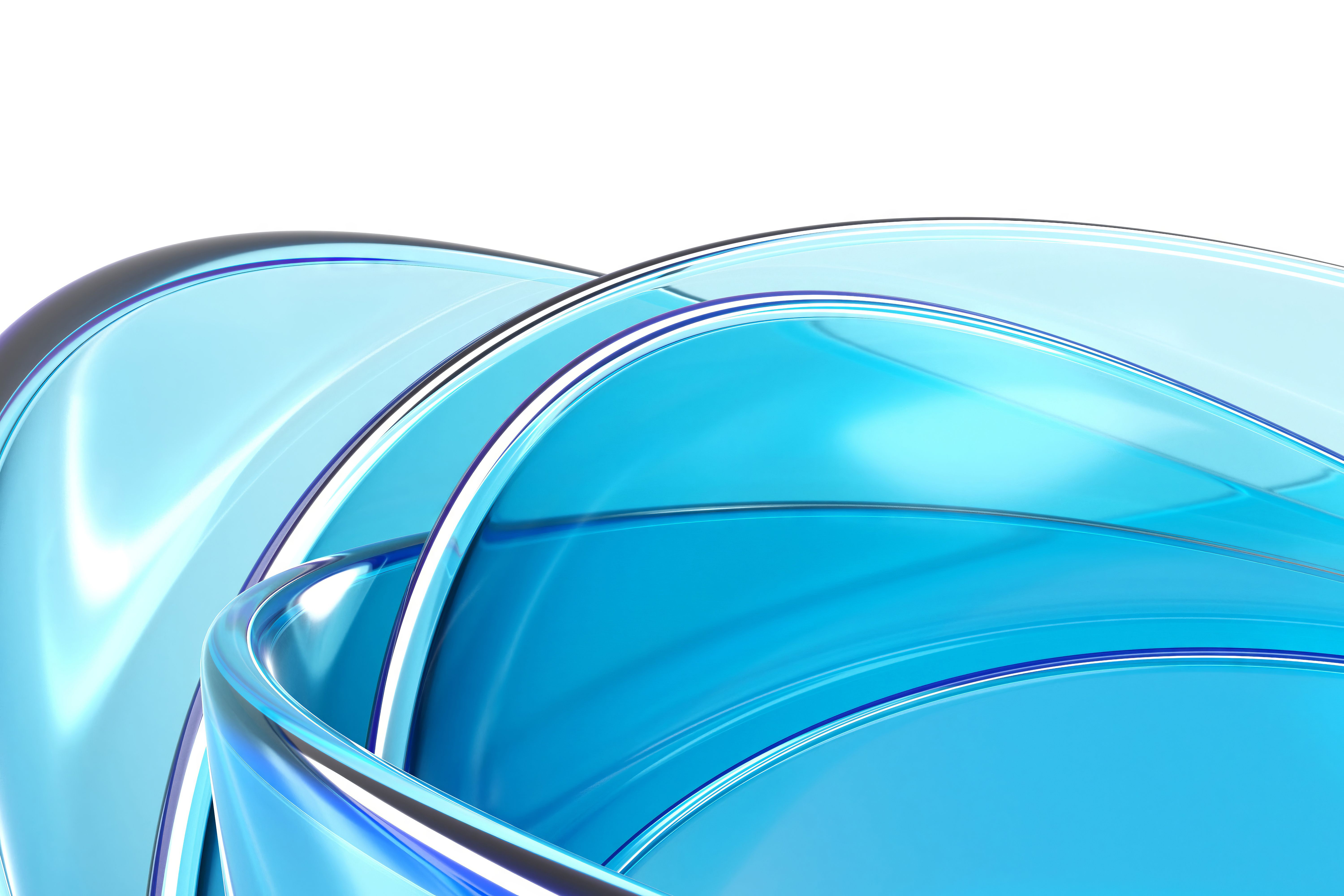
Myth 1: Curved Glass Is Fragile
A prevalent belief is that curved glass is more fragile than flat glass. In reality, curved glass is often just as strong, if not stronger, than its flat counterpart. The manufacturing process involves heating the glass to high temperatures and then bending it, which can enhance its structural integrity. Additionally, curved glass is usually tempered or laminated, further increasing its strength and safety.
Myth 2: It’s Only for Aesthetic Purposes
While it's true that curved glass adds a unique aesthetic appeal, its benefits extend beyond appearance. Curved glass can improve aerodynamics in vehicles, enhance acoustics in auditoriums, and even contribute to energy efficiency by optimizing natural light. Its versatility makes it a valuable component in various industries.
Cost and Installation Misunderstandings
Another common misconception is that curved glass is prohibitively expensive. Although it may have a higher initial cost compared to flat glass, the long-term benefits often outweigh the investment. Curved glass can lead to energy savings and reduce the need for artificial lighting, ultimately lowering overall costs.
Installation Challenges
Many people assume that installing curved glass is more complicated than flat glass. While the process does require specialized skills and tools, advances in technology have streamlined installation. Professional installers are well-equipped to handle the unique challenges curved glass presents, ensuring a smooth and efficient process.
Limited Design Options
Some believe that curved glass limits design flexibility. On the contrary, it offers a wide range of possibilities. Curved glass can be customized to fit various shapes and sizes, allowing architects and designers to push the boundaries of creativity. From sweeping facades to intricate interior features, the design options are virtually limitless.
Environmental Impact Considerations
Curved glass is often perceived as less environmentally friendly due to the energy-intensive manufacturing process. However, advancements in production techniques have made it more sustainable. Many manufacturers are committed to reducing their carbon footprint by utilizing renewable energy sources and recycling materials.
Conclusion
Understanding the truths about curved glass can help you make informed decisions for your next project. Whether you're considering it for its aesthetic appeal, functional advantages, or both, curved glass offers a wealth of opportunities. By dispelling common misconceptions, we can appreciate the true value and versatility of this remarkable material.